I've been around bloggers and publishers for almost two decades. I ran a few niche blogs myself, sold a couple, and killed more than I can count.
The failures weren't usually about bad content. They were about where I was looking for blog readers. I spent too many years chasing search rankings and ignoring the one channel that compounds: Pinterest.
Pinterest isn't social media
Most platforms bury your content within 24 to 48 hours. Post something on X or Instagram and its shelf life is measured in hours, not months.
Pinterest doesn't work that way. It's closer to a visual search engine than a social feed. A pin you publish today can still be surfacing new readers a year from now, without you touching it again.
That's the part most bloggers miss. They treat Pinterest like another feed to post into, when it behaves more like Google with pictures.
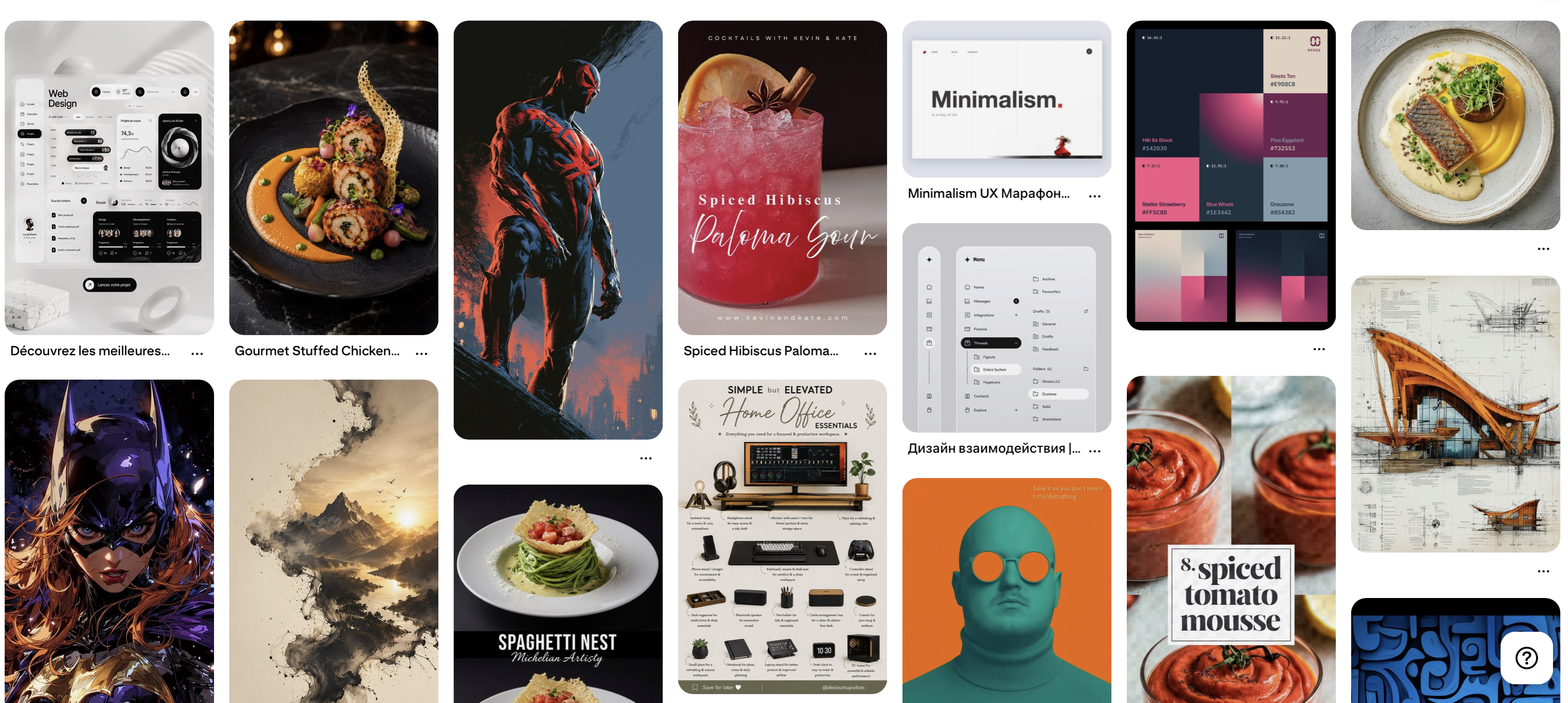
The intent gap is the whole story
The top reason people visit Pinterest is to find new products and brands, and 96% of Pinterest searches are unbranded, meaning people are searching for solutions, not typing in a company name.
93% of Pinterest users say they use the platform to plan a purchase, and 85% of weekly users have bought something because of a pin they saw.
Compare that to someone doomscrolling Instagram, tapping a like, and forgetting you exist thirty seconds later. Pinterest users show up with a question already in mind.
That's a completely different kind of visitor, and it's why click-through rates from Pinterest to blogs are consistently higher than from standard social feeds.
You don't need to go viral on Pinterest either. A pin sitting quietly at a few hundred impressions a week, month after month, will often outperform a post that got ten thousand views for one day and then vanished.
Old content gets a second life
This is the most underrated part. Once a post falls off the front page of your blog, it usually just sits there. Pinterest gives it a way back.
You can create several pins for the same article, each with a different headline, angle, or visual, and let Pinterest figure out which one resonates. Evergreen formats do best here: guides, tutorials, lists, recipes, and how-tos. The kind of content that answers a question people will keep asking for years.
More pins lead to more discovery, which leads to more clicks, which gives your content more chances to spread. None of that depends on you posting daily or keeping a following. It depends on the content itself still being useful.
It's a bridge for other creators too
If you make video or UGC content alongside your writing, you don't need new assets for Pinterest. Repurpose thumbnails, key frames, and mood boards into vertical pins.
Read also: The UGC Trap: Most UGC creators forget about blogging
Pair the visual with clear, keyword-rich overlay text that promises a specific answer, then send the click straight to the blog post that delivers it.
Keywords work differently here
Treat Pinterest as its own search engine, separate from Google. The long-tail keywords are often easier to find and less competitive. You don't need fancy tools for this. Type into Pinterest's own search bar and look at what autocomplete suggests.
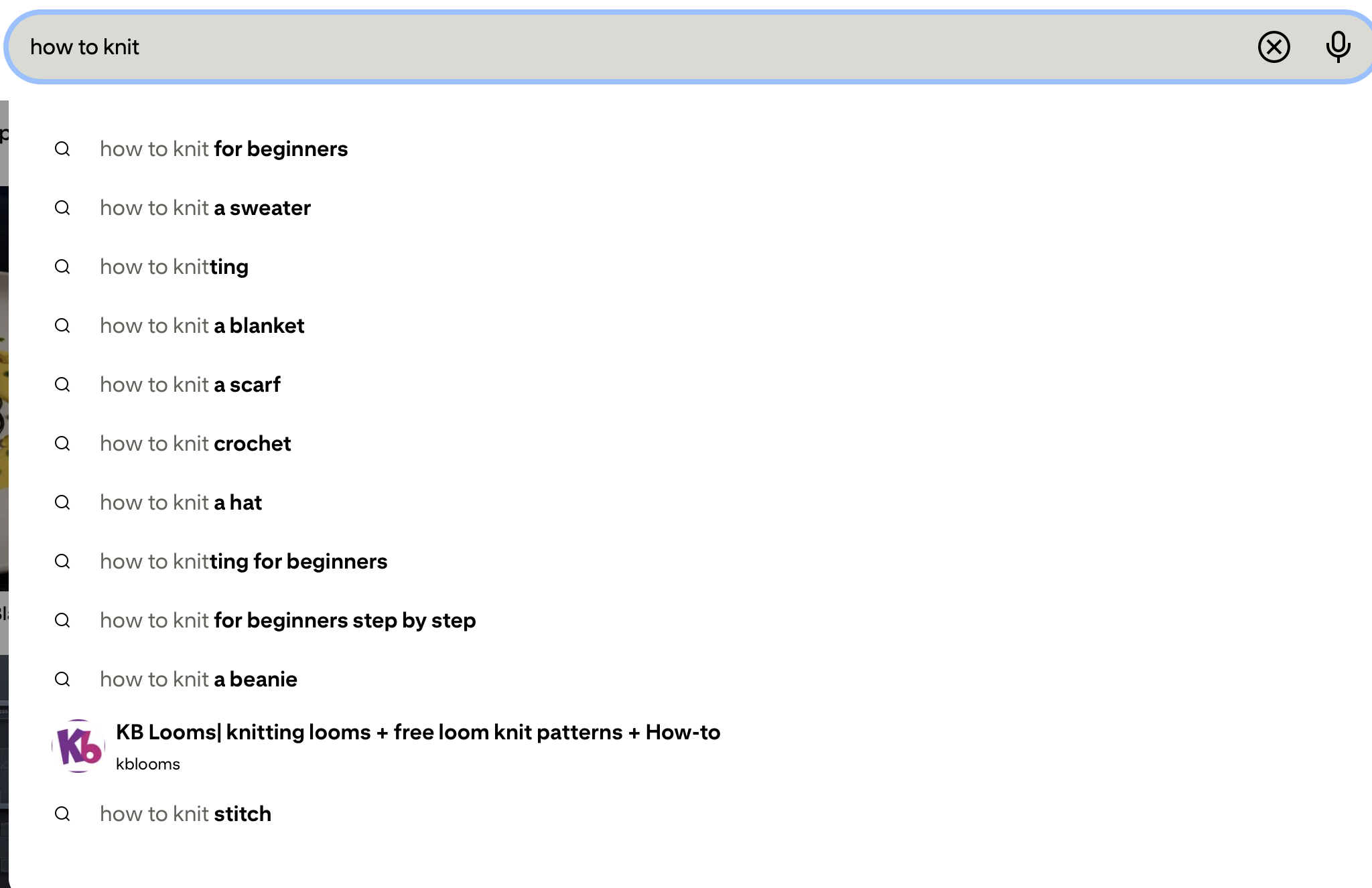
Those are the exact terms people are already searching. Use them in your pin titles and descriptions, and send each pin to a specific, high-value post rather than your homepage.
Stop chasing volume
A few years ago, the advice was to flood Pinterest: 12 to 30 pins a day, constant re-pinning across boards. That doesn't work anymore in 2026.
Consistency beats intensity now. One or two pins a day, every day, will outperform bursts of activity followed by silence. Batch two or three vertical pins per blog post using a simple template, and just make sure each image looks different enough to earn its own impressions.
Fix your distribution habits everywhere else
Pinterest isn't the only place new bloggers get distribution wrong. The most common mistake I still see is posting a raw link on X or LinkedIn and expecting traffic. Algorithms suppress outbound clicks on purpose, so that link mostly reaches nobody.
Instead, share the value natively, in full, and put your blog link in the comments or bio. It takes more planning, but it works.
A simple rule that helps: take one blog post and repurpose it five ways. Pull the key insights into three short posts for LinkedIn or X, one newsletter issue, and one summary thread. Readers who want the full depth and context will click through on their own.
The bottom line
Your blog post is the destination. Pinterest and your other distribution habits are how people find their way there. Build content that doesn't need you promoting it forever, and let it keep working long after you've moved on to the next post.